
Recommendations for Feeding and Caring for a Small Hound
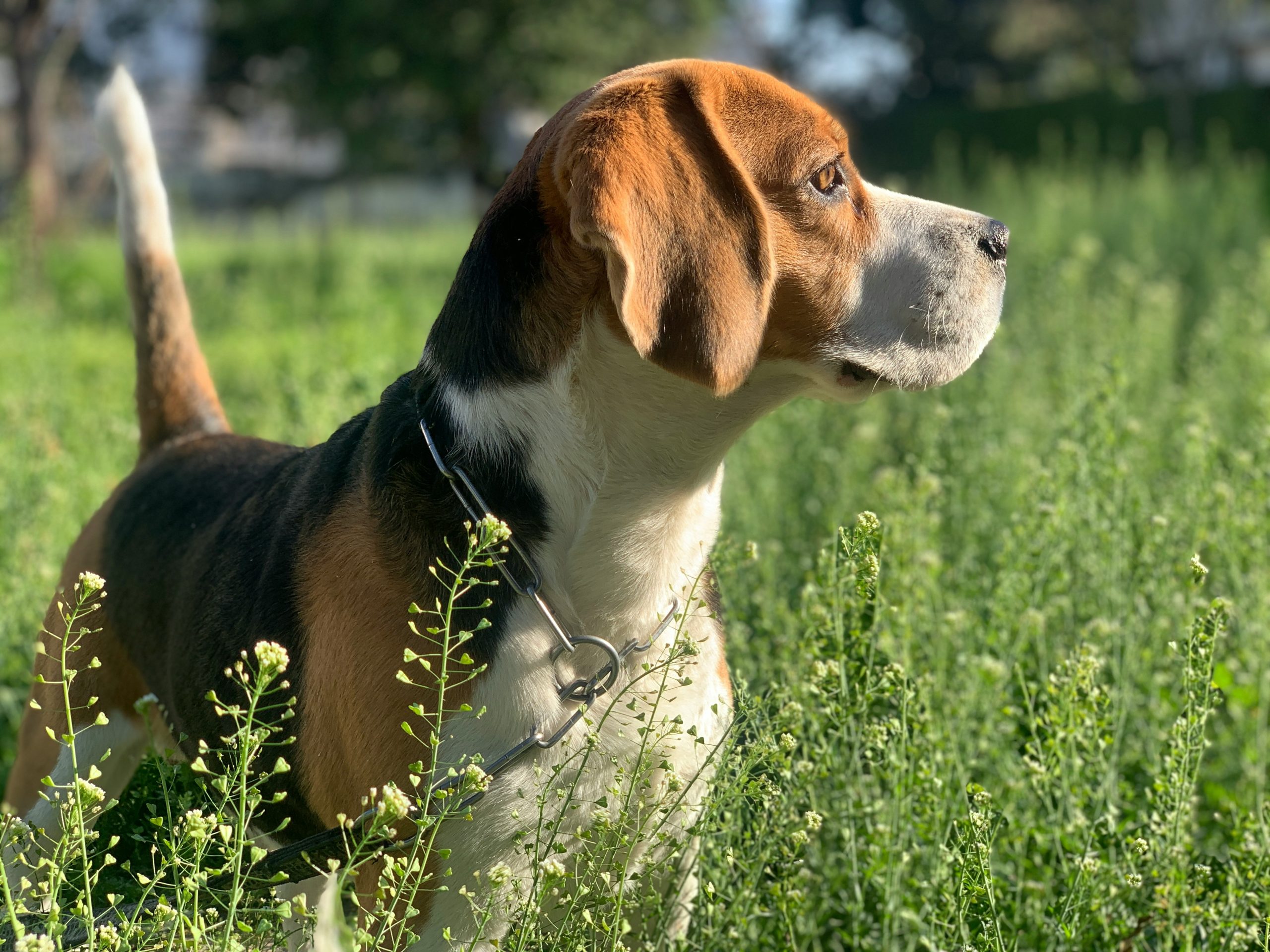
The Beagle is a medium-sized hunting dog with a lifespan of about 13-15 years. However, with proper care and attention to changes in the pet’s well-being, this period can be extended.
Let’s figure out how to protect your dog from premature death.
Beagle Life Expectancy
Representatives of this breed are medium-sized dogs. The height of an adult male is 36-40 cm, and females are 33-38 cm at the withers, with a weight of 8-13 kg.
Thanks to these dimensions, these dogs will delight their owners longer than their larger counterparts.
The average life expectancy of a Beagle varies from 12 to 15 years. But with proper care, you can add another 2 years to the upper figure.
How Do I Know the Age of My Pet?
Some Beagles end up in another home when they are no longer puppies, and the new owner often has no idea of the dog’s age. In such cases, it is almost impossible to determine exactly how old the dog is. But the approximate age can be established by muscle tone and the condition of the coat and eyes:
- A young animal’s coat is shiny. With age, it becomes duller and coarser. From the age of 6-7 years, Beagles develop gray hair.
- Puppies and young dogs have clear eyes. In older Beagles, the look becomes less vibrant, and the eyes become cloudy.
- A young and energetic Beagle spends a lot of time moving. Therefore, it has well-developed muscles. With age, the dog’s activity decreases. Older dogs sleep a lot and walk a little. Because of this, their muscles atrophy and they become obese.

You can more accurately determine the age of a dog by the condition of its teeth:
- Milk canines and incisors erupt on the 20th-25th day. The incisors come out by 30-35 days of age. By 1-2 months, the puppy already has a full set of teeth.
- By six months, the replacement of milk teeth with permanent teeth is completed. And by 12 months, all the notches on the incisors are visible.
- At 1.5-2 years of age, the dog’s tooth enamel begins to turn yellow. At the same time, the tubercles on the lower canines are worn down.
- By the age of 4, the enamel becomes matte, and the first problems with the gums appear. At the same time, the notches on the upper canines disappear.
- By the age of 5, Beagles have dull canines and noticeably yellow enamel. At this age, all irregularities and nicks are worn off on the dog’s incisors.
- By the age of 6, it is almost impossible to determine the correct bite in an animal. This is due to the change in the shape of the incisors.
- By the age of 8-10 years, the dog’s canines become noticeably shorter and duller. The teeth become worn and yellow.
- In older dogs, tartar is clearly visible and there are signs of caries. Teeth become loose and fall out.
How to Prolong a Dog’s Life?
The Beagle is a hunting dog with good immunity. But to maintain its health and increase its life expectancy, it needs:
- Regular walks and exercise;
- Good nutrition;
- Proper hygiene;
- Timely treatment and parasite control.
The Right Diet
The Beagle is unpretentious in its diet and eats everything it is offered with appetite. Therefore, the owner will have to take care of the animal’s proper and high-quality nutrition.
The easiest way to provide your dog with proper food is to buy ready-made food that contains all the necessary vitamins and minerals.
When choosing a brand, it is recommended to give preference to products from well-known manufacturers that have proven themselves well in the world market.
Dry feeding makes it easier to control the dog’s diet and prevents tartar on its teeth.
The daily allowance is calculated based on the age and weight of the dog. It is always indicated on the food package.
There is another way—feeding your dog natural food. Since the Beagle belongs to the category of hounds, special requirements are imposed on its diet:
- 65-70% of the daily allowance should be raw lean meat (beef, poultry, or rabbit) and offal (stomachs, heart, and liver);
- 15-20% should be cereals (oatmeal, rice, or buckwheat);
- 10-20% should be vegetables (zucchini, pumpkin, and carrots) and fruits.
Also, the dog’s menu should include lean sea fish, eggs, and dairy products.
To prolong the life of the Beagle, tubular bones, sweets, muffins, chocolate, smoked meats, pickles, sausages, legumes, and fatty and fried foods should be excluded from its diet.
Important! Representatives of this breed are unfamiliar with the sense of proportion in food. Therefore, the size of their portions must be strictly controlled. Dogs that are not restricted in their food eventually develop obesity and other health problems, which reduces their life expectancy.
Walks and Games
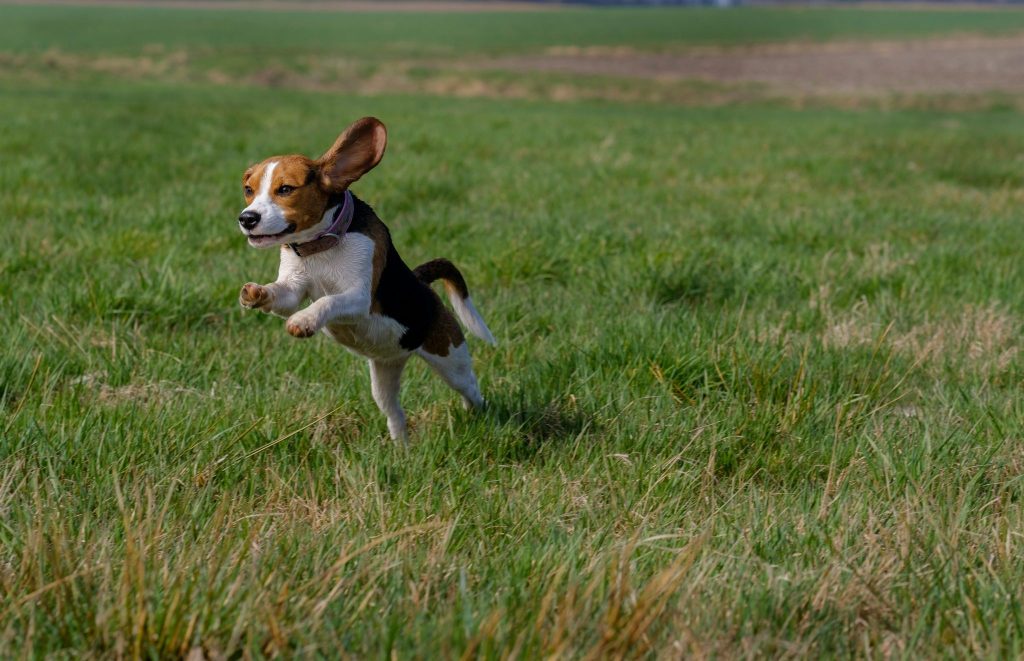
Beagles are hardy and active dogs. They can easily tolerate long walks and jogging. It is advisable to let the dog off the leash outside of settlements or in specially designated places.
In the city, it is advisable to keep the Beagle on a leash. Otherwise, a small hound may get carried away with the pursuit of imaginary prey and risk being hit by a vehicle.
Important! For safety reasons, the dog must be trained to avoid picking up food from the ground. Otherwise, it may become a victim of dog hunters.
In order for the dog to realize its hunting instinct, it is recommended to give it tasks to find objects. Also, the Beagle should have the opportunity to play not only with its owners but also with its relatives.
Timely Treatment and Deworming
Beagles have fairly good health and good immunity. But they are prone to certain diseases:
- Glaucoma;
- Obesity;
- Hypothyroidism;
- Epilepsy;
- Lymphoma;
- Chronic hepatitis;
- Diabetes.
The heavy, drooping ears of small hounds impede normal air ventilation. As a result, they often develop ear infections, which, if left untreated, lead to otitis media and meningitis. Therefore, at the first suspicion of the onset of the disease, the dog should be shown to the veterinarian.
You should not postpone a visit to the clinic if your pet has:
- A fever;
- Loss of appetite;
- Shortness of breath, weakness, and apathy;
- Stool disorders (diarrhea or constipation);
- Vomiting;
- Convulsions.
To prevent the Beagle from contracting deadly infections, it must be vaccinated:
- Against leptospirosis;
- Rabies;
- Canine distemper;
- Parvovirus enteritis.
Vaccination is carried out according to a schedule drawn up by a veterinarian. Before it, the dog needs to undergo antiparasitic treatment. Since helminths have a bad effect not only on digestion but also on other organs, it is advisable to give anthelmintic drugs regularly.
It is recommended that adult animals take worming medications twice a year, and puppies—once a quarter.
In addition to removing worms, the pet should be treated for fleas and ticks. The former can cause flea dermatitis, while the latter carries piroplasmosis and Lyme disease.
Care and Hygiene
Beagles are unpretentious dogs that are equally comfortable in a private house and in a city apartment. The care and maintenance of this breed do not present any particular difficulties. The main thing is to make sure that the pet is always clean and has a neat appearance.
Representatives of this breed have a short, self-cleaning coat. Beagles do not need frequent washing with shampoo. You can give them “bath procedures” no more than 2-3 times a year.
If the dog gets dirty during a walk, it is enough to wipe the contaminated area with a damp sponge. The animal should be combed 1-2 times a week, and with the onset of molting—every other day.
The dog’s nails are shortened as they grow with the help of special nippers. After each walk, the Beagle’s paws are washed and examined for injuries and cuts.
The most vulnerable part of this breed is the ears. They should be cleaned once a week from dust and dirt with a cotton pad soaked in a special lotion.
The dog’s eyes should be wiped daily from discharge that accumulates in the corners. To do this, it is advisable to use a swab moistened with chamomile broth.
Causes of Premature Death
Although Beagles live quite a long time, there are factors that lead to the dog’s early death:
- Untimely veterinary care;
- Poisoning by pesticides;
- Hunting injuries and transportation accidents;
- Infections and lack of vaccination;
- Infection with parasites;
- Malnutrition;
- Congenital pathologies.
Signs of Aging
A Beagle is fully formed by the age of 3. Immediately after that, the dog’s body starts the aging mechanism. External signs become noticeable by the age of 5-6 years. The animal gets gray hair and teeth are worn out.
Although Beagles retain interest in the world around them in old age, their activity is not the same as in their youth.
With age, the animal’s immunity decreases. The pet becomes more susceptible to various infections. Some older dogs partially or completely lose their hearing. Old dogs need more attention and care.
Beagles are naturally endowed with good health and good immunity. But their life expectancy depends on the conditions in which they are.